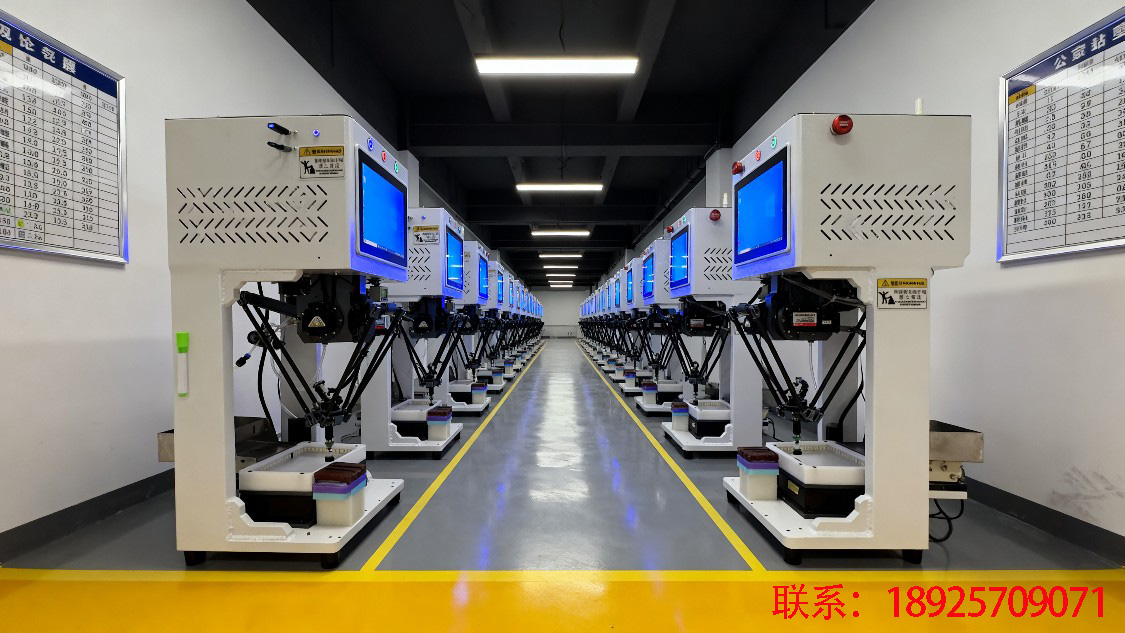
Visione generale del prodotto
Riepilogo dei punti chiave d’acquisto
Utilizza questa sezione per valutare l'applicazione, il prezzo indicativo e i criteri decisionali prima dei dettagli tecnici.
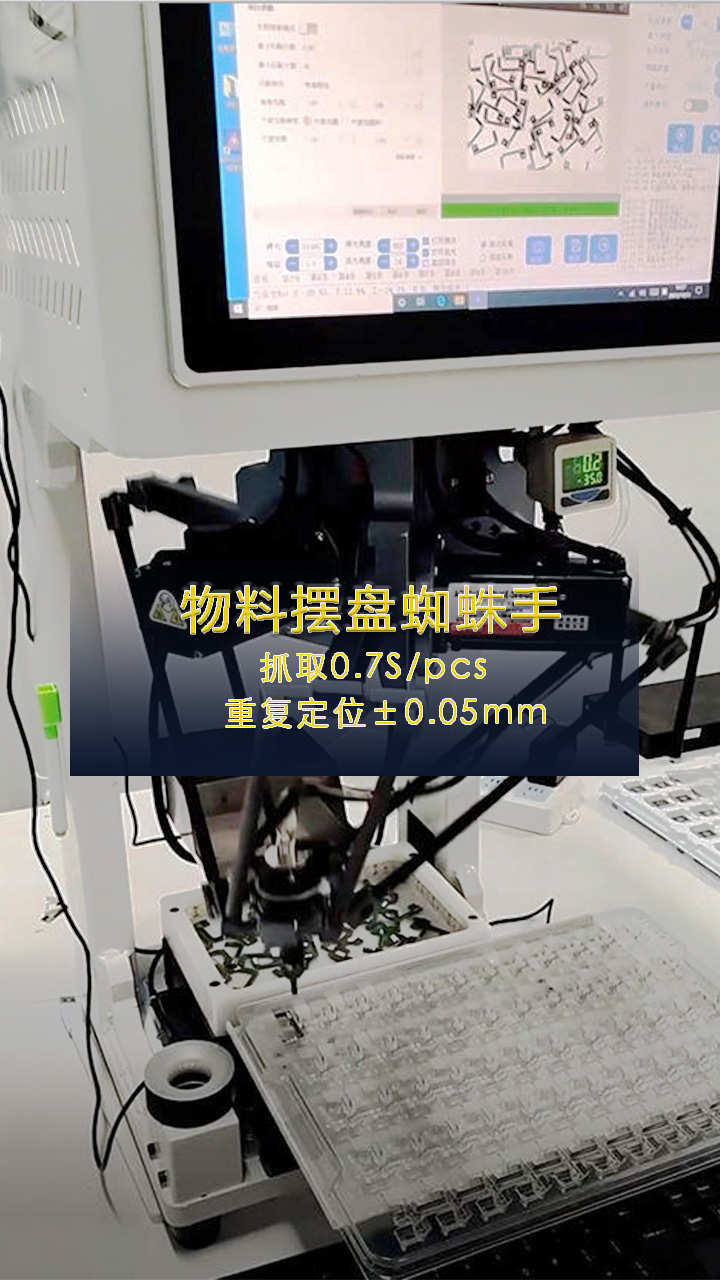
- Posizionamento ultra-rapido 0.7 s per pezzo, 3600 pz/h - fino a 5 volte più veloce della manipolazione manuale.
- ±0.05 mm di ripetibilità con correzione AI Delta, movimento parallelo più visione deep-learning elimina gli errori di offset e di posizionamento inverso.
- Alimentazione universale e flessibile: un vassoio vibrante gestisce decine di forme di componenti senza utensili personalizzati.
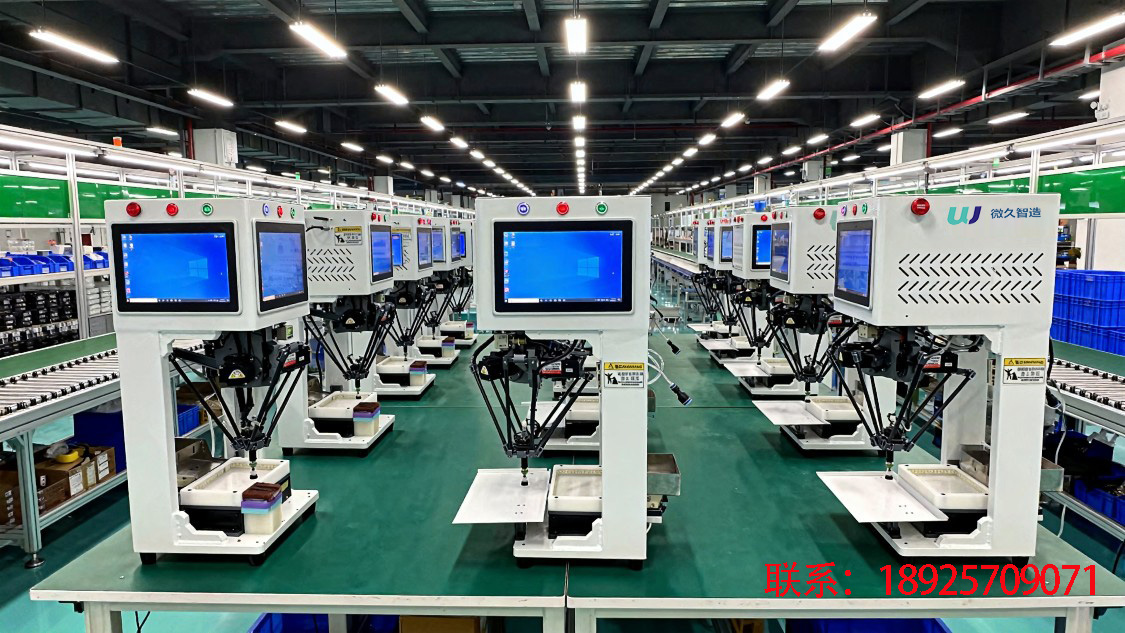
- Design compatto e integrato che riduce lo spazio a pavimento del 40 % e consente il montaggio diretto sulle linee a nastro spider esistenti.
- Monitoraggio digitale e diagnostica remota: registrazione dei dati in tempo reale, interfaccia MES e 24/7 supporto cloud, che abbassano il costo totale di proprietà.
Media
Termini chiave SEO
Termini di ricerca per l’acquirente
Questi tag devono rispecchiare le parole ricercate dagli acquirenti e rimanere leggibili, non codici interni.
Scheda prodotto
Osservazioni su applicazione e configurazione
Visione generale del prodotto
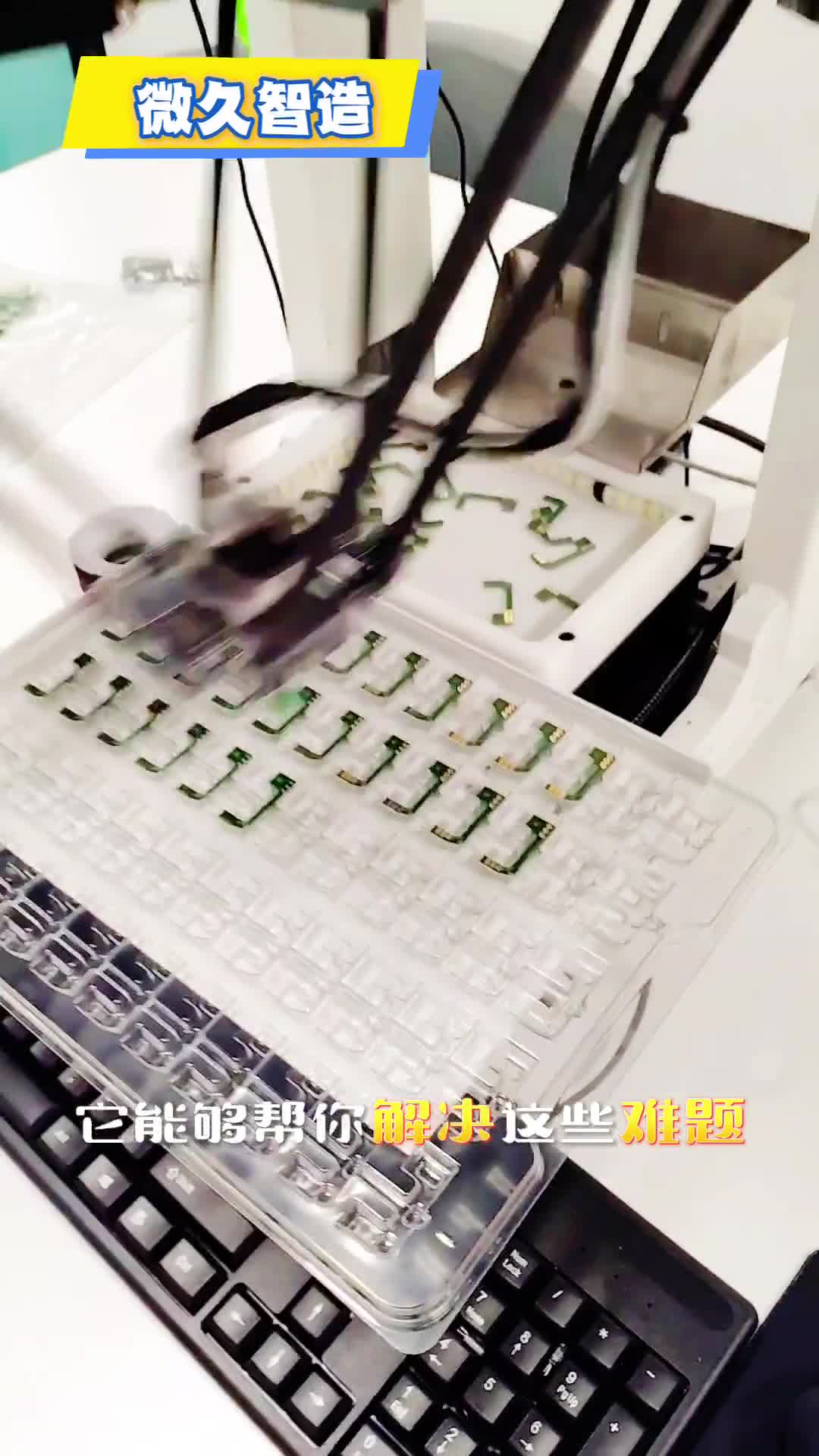
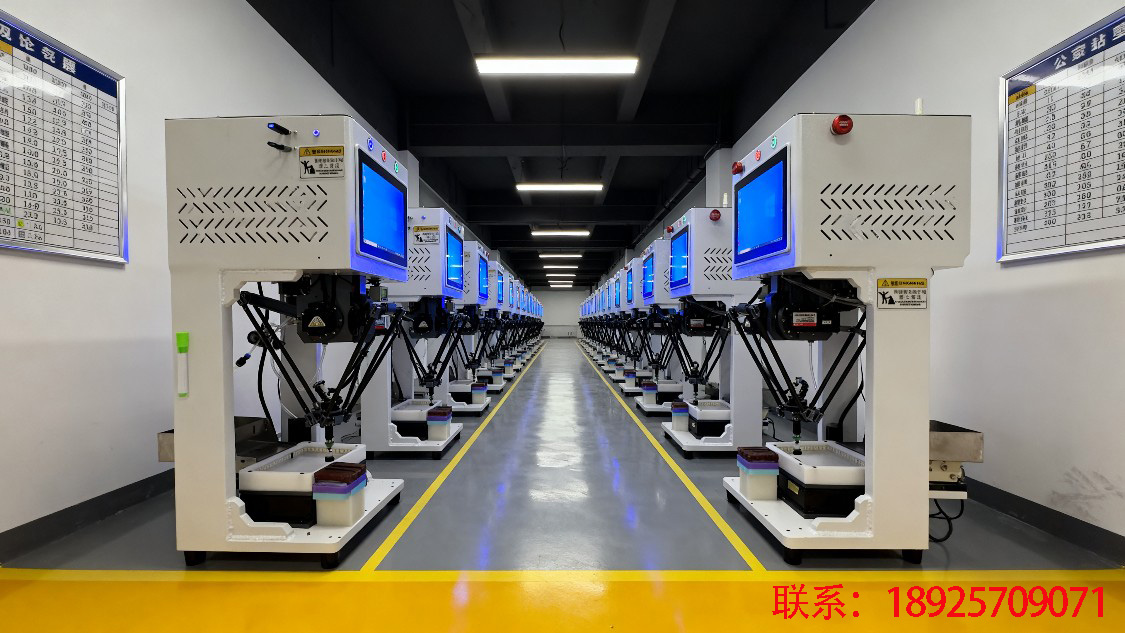
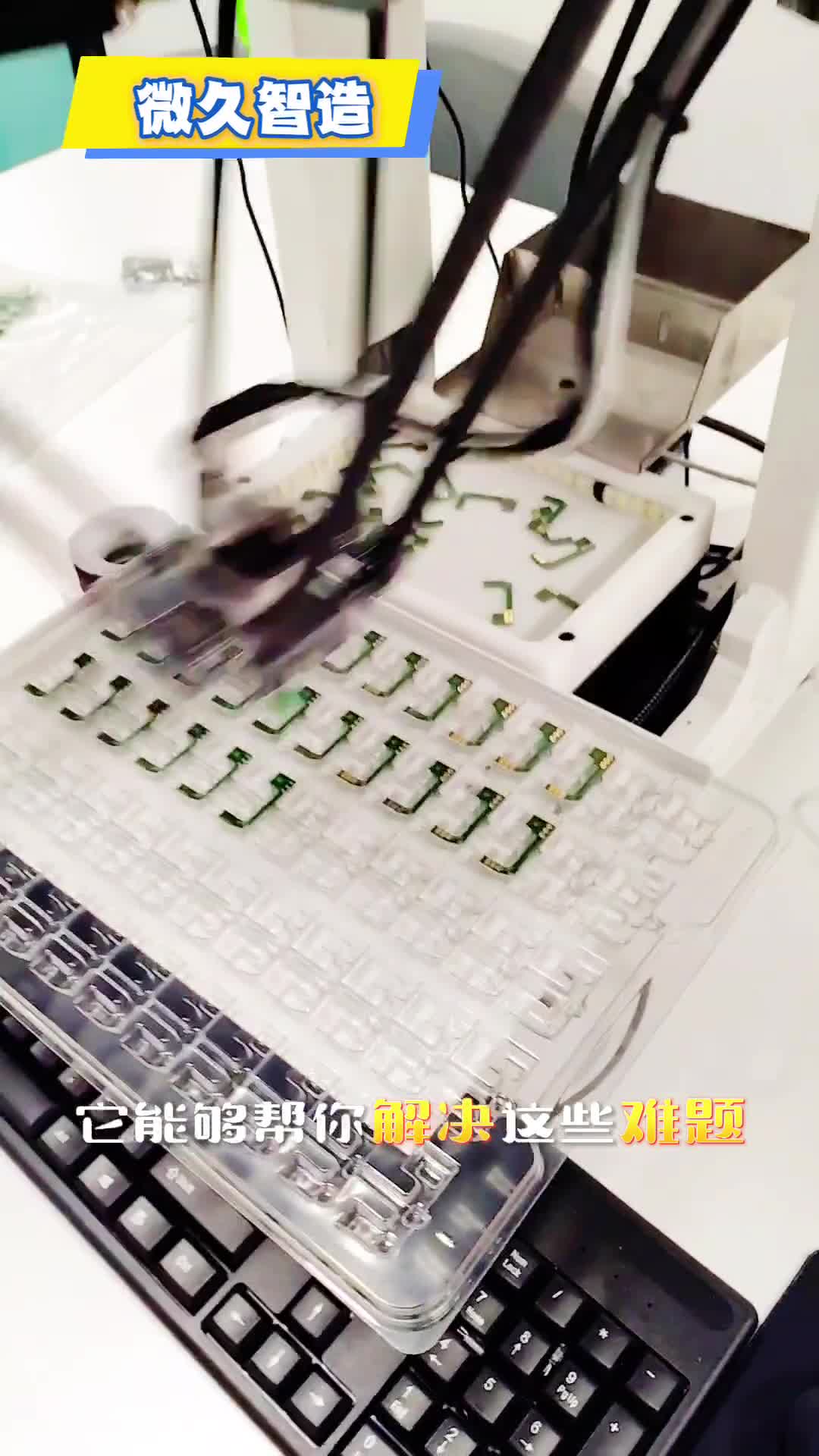
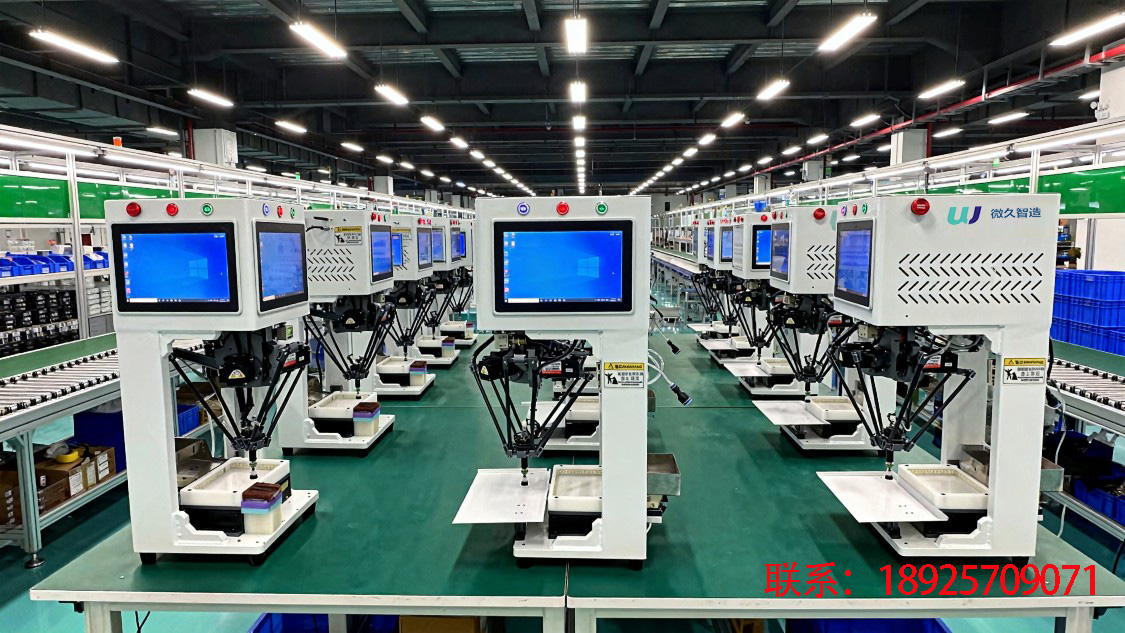
Questo dispositivo Spider Robot Pick-and-Place rappresenta una soluzione compatta, veloce e di alta precisione per l'assemblaggio automatico di componenti di piccole dimensioni, quali chip, resistori e coperture schermanti. Ideato per i produttori che richiedono una produzione flessibile a basso volume, incorpora un meccanismo di movimento parallelo Delta, correzione visione AI e un sistema di alimentazione modulare.
Principali Vantaggi
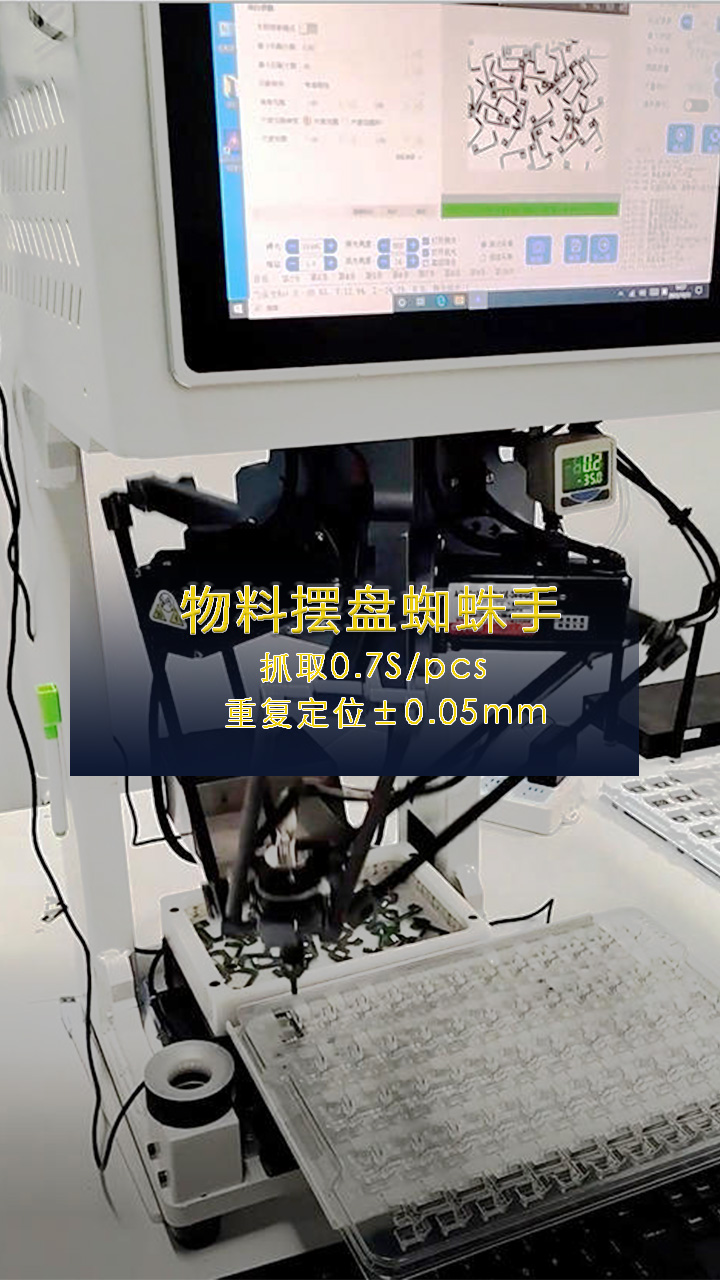
- Rapidità e precisioneI motori paralleli di tipo Delta posizionano un pezzo in 0.7 secondi, raggiungendo 3600 unità all'ora con una precisione di posizionamento ripetuto di ±0.05 mm. La correzione secondaria visione AI assicura zero offset.
- Alimentazione flessibileUn vassoio vibrante proprietario disperde parti sottili, riflettenti o irregolari senza danneggiarle. Il vassoio è compatibile con decine di tipologie di componenti, eliminando la necessità di vassoi su misura.
- Integrazione AI VisioneUna telecamera deep-learning ad alta frequenza di fotogrammi rileva l'orientamento dei pezzi, gli angoli mancanti e le deformazioni, ordinando automaticamente i componenti difettosi.
- Ingombro compattoLa base integrata riduce lo spazio a pavimento del 40 %, permettendo il montaggio diretto su supporti esistenti o su macchine a nastro ragno.
- Attività digitali: Registrazione dei dati integrata, interfacce pronte per MES e 24/7 diagnostica cloud abbassano i costi operativi a lungo termine.
Dettagli tecnici
| Parametro | Valore |
|---|---|
| Origine | Guangdong, Cina |
| Il tipo di alimentazione | Pneumatico |
| Marchio | Microjio |
| Garanzia | 1 anno |
| Varietà di modelli | Piccolo, medio o grande |
| Disposizione | Verticale |
| Controllo | Su misura (bus integrato) |
| Applicazione | Pick-and-place per componenti di piccole dimensioni |
| Categoria di movimento | Delta parallelo |
| Settori idonei | 3C, semiconduttori, metalli di precisione, componenti medici |
| Massa | 60 kg |
Per quale motivo optare per Microjio?
Questo sistema elimina la necessità di tre operatori manuali, abbassa le spese di manodopera e assicura un indice di difettosità inferiore all'1 %. Grazie al design modulare, le sostituzioni degli utensili avvengono in meno di 10 minuti senza intervento ingegneristico, ideale per impianti a produzione multipla. La diagnostica a distanza e un test di carico di 72 ore (media 8000 h MTBF) garantiscono un'operatività affidabile e a bassa manutenzione.
Contatti e richieste d'ordine
Per ottenere preventivi, richiedere campioni o consulenza tecnica, contattate il nostro team commerciale tramite il modulo di contatto. La nostra rete post-vendita copre il Delta del Fiume delle Perle e il Delta del Fiume Yangtze, fornendo assistenza sul posto e supporto per i ricambi.
Punti di Forza
- Posizionamento ultra-rapido: 0.7 s per pezzo, 3600 pcs/h - fino a 5 volte più veloce della manipolazione manuale.
- ±0.05 mm Ripetibilità grazie alla correzione AI: Il movimento parallelo Delta, più la visione deep-learning, elimina gli errori di offset e di posizionamento inverso.
- Alimentazione universale e flessibile: Un vassoio vibrante amministra decine di forme di componenti senza utensili su misura.
- Progettazione compatta integrata: Abbassa lo spazio a pavimento del 40 % e può essere installato direttamente sulle linee a nastro spider già presenti.
- Sorveglianza digitale e diagnostica a distanza: La registrazione dei dati in tempo reale, l'interfaccia MES e 24/7 supporto cloud riducono il costo totale di proprietà.
Guida all'acquisto e alle applicazioni
Guida alla scelta - Quale modello corrisponde al tuo volume produttivo?
Microjio propone tre dimensioni (piccola, media, grande) che coprono pesi dei componenti da 0.1 g a 1 kg. I modelli piccoli sono ideali per componenti elettronici di grande varietà, le unità medie gestiscono chip semiconduttori standard, mentre le macchine grandi sono adatte a hardware di precisione più pesante. Valuta il peso medio dei tuoi componenti e la capacità necessaria per scegliere il modello più adatto; tutte le varianti condividono la stessa visione AI e un'architettura di alimentazione flessibile, garantendo scalabilità man mano che la tua linea di prodotti si espande.
Casi d'uso - Dai 3C ai dispositivi medici
Il sistema spider pick-and-place è perfetto per l’assemblaggio di smartphone, dispositivi IoT, componenti di schede a circuito stampato, wafer semiconduttori e piccoli strumenti medicali. Il suo vassoio a vibrazione delicata evita graffi su parti riflettenti o fragili, mentre la visione AI segnala immediatamente pin mancanti o conduttori rotti, riducendo le rifiniture e le richieste di garanzia. I produttori con cicli di vita dei prodotti brevi traggono vantaggio dagli utensili a scambio rapido e da tempi di inattività pari a zero per i cambi di programma.
Manutenzione e integrazione digitale.
Ogni unità tiene traccia in tempo reale del conteggio delle posizioni, del rendimento e dei codici di errore. È possibile esportare i dati mediante un'API aperta al tuo sistema MES o ERP, assicurando una completa tracciabilità. Le diagnosi remote cloud operano 24/7, permettendo agli ingegneri di risolvere la maggior parte dei problemi online e di minimizzare le interruzioni di produzione. La manutenzione preventiva annuale include la lubrificazione dei cuscinetti, la calibrazione dei sensori visivi e gli aggiornamenti del firmware, tutti coperti dalla garanzia di un anno.
Suggerimenti per l'approvvigionamento - Garantire una consegna fluida
Nel corso dell'ordine, controlla che le misure del vassoio vibrante siano compatibili con l'imballaggio dei componenti e verifica che la pressione pneumatica rispetti il valore nominale della macchina. Prevedi lo spazio di installazione necessario in modo che la riduzione del ingombro del 40 % possa essere programmata accuratamente. Richiedi un video dimostrativo del processo di ispezione visione AI per confermare i criteri di rilevamento dei tuoi componenti specifici prima dell'acquisto definitivo.
FAQ Acquirente
Quali tipologie di componenti può gestire il sistema?
È in grado di collocare elementi sottili, riflettenti e di geometria irregolare, quali chip, resistori, schermature e altri piccoli componenti, senza provocarne danni, gestendo un range di peso da 0.1 g a 1 kg.
Quanto tempo è necessario per passare da un tipo di prodotto all'altro?
Il sistema di cambio utensile e calibrazione è modulare; un operatore qualificato può eseguire la sostituzione in 5-10 minuti grazie alla funzione di auto-calibrazione a nove punti con un solo click.
Il sistema è compatibile con i sistemi MES/ERP già in uso?
Confermiamo che il modulo di acquisizione dati integrato fornisce interfacce aperte per l'integrazione diretta con la maggior parte delle piattaforme MES o ERP.
Che copertura offre la garanzia e l'assistenza post-vendita?
L'apparecchiatura è coperta da una garanzia del produttore di un anno, con ricambi disponibili a livello nazionale e supporto in loco nelle aree del Delta del Fiume delle Perle e del Delta del Fiume Yangtze.
L'IA visiva può rilevare difetti specifici?
La telecamera basata su deep learning rileva l'orientamento del pezzo, gli angoli assenti, le deformazioni e altri difetti visivi, scartando automaticamente i componenti difettosi dalla linea.
Domande dell'acquirente prima dell'ordine
Quali tipologie di componenti può gestire il sistema?
È in grado di collocare elementi sottili, riflettenti e di geometria irregolare, quali chip, resistori, schermature e altri piccoli componenti, senza provocarne danni, gestendo un range di peso da 0.1 g a 1 kg.
Quanto tempo è necessario per passare da un tipo di prodotto all'altro?
Il sistema di cambio utensile e calibrazione è modulare; un operatore qualificato può eseguire la sostituzione in 5-10 minuti grazie alla funzione di auto-calibrazione a nove punti con un solo click.
Il sistema è compatibile con i sistemi MES/ERP già in uso?
Confermiamo che il modulo di acquisizione dati integrato fornisce interfacce aperte per l'integrazione diretta con la maggior parte delle piattaforme MES o ERP.
Che copertura offre la garanzia e l'assistenza post-vendita?
L'apparecchiatura è coperta da una garanzia del produttore di un anno, con ricambi disponibili a livello nazionale e supporto in loco nelle aree del Delta del Fiume delle Perle e del Delta del Fiume Yangtze.